THE NOBLE BLOG

I really want to preach the gospel of Ryan Holiday, a sage living in our midst, but I just finished Original Sin by Jake Tapper and Alex Thompson and felt the need to speak out about this.

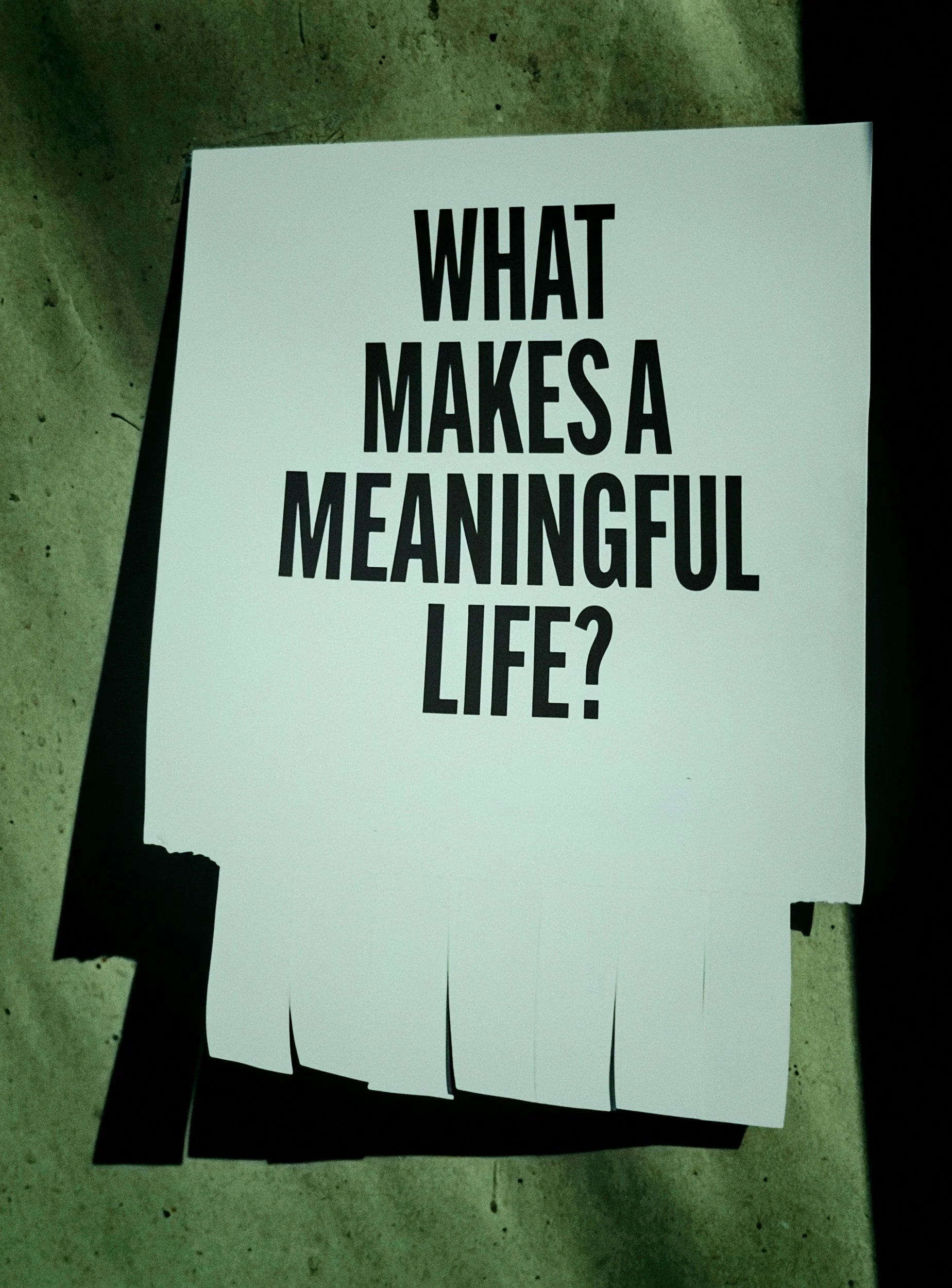
It’s funny how we expect life to be consistent and predictable, and then, one day, our straight road leads us to an unexpected crossroads.


When did our society prioritize expedience over quality?
Maybe it goes back to the beginning of the Industrial Age.
I’m not sure.
During my life, like a virus, expedience has spread to large sectors of our society, leaving quality in its wake.

This is the story of how prostate cancer for a man is a maze that leads from one dilemma to another, posing questions to which there are no right answers.

We all know that, unless something weird happens, like someone murders you or you contract an unexpected virus that escaped from a lab in China, you are going to grow old in fits and starts and DIE.
In the meantime, you will go through The Elder Zone, which is similar to The Twilight Zone, but Rod Serling will not show up for the final scene.

The Maharishi, The Beatles, Mia Farrow, Deepak Chopra, and Jeffrey Epstein all appear in this short epistle.
Follow the money!

Good morning, brothers and sisters!
My sermon this morning will be about the well-worn phrase “the love of money is the root of all evil.”
The source of this phrase is the Book of Timothy, written about 65 years after the death of Jesus (circa 64 AD).
Timothy was wrong.

Alexander Graham Bell bears the initial credit or blame.
Dick Tracy and Steve Jobs transformed them into what we now commonly call “cell phones.”
They have become ubiquitous in modern life.


I posted Part I of this saga on August 28, 2025.
https://www.coachingwithwisdom.com/blog/the-elder-zone-prostate-cancer




You’re in luck!
We are playing this interesting and challenging game called “life.”
Hundreds of years ago, a bunch of old guys (the gender reference was intentional) devoted their lives to figuring it all out.
They packaged what they learned into systems and evangelized until they became part of the cultural zeitgeist of their times.

What am I reading these days? Allow me to share with my fellow lifelong learners. If anyone has common interests, feel free to reach out.

Proverbs (9:10 and 1:7) teaches us that “fear of the Lord” is the beginning of wisdom.
I don’t subscribe to fear-based wisdom.
I’m more inclined to align with the Greeks.


Inequality has risen from 1970 to Trump – and the gap is getting wider.
Such a disparity between the haves and have-nots has costs that undermine democracy.


Trump is installing what scholars call patrimonialism.
Understanding patrimonialism is the key to defeating it.

· When my clients try to negotiate their own deals, and I know they don’t know what they are doing, making the likelihood of reaching an agreement slim and none, I say, “This is like watching children playing with explosives.”
· Sadly, in this case, that is not just a metaphor. It is literally true.


Scott Peck, a Harvard psychiatrist of some renown in the 70s, built his edifice of good mental health on truth - no avoidance, confrontation with reality, no matter how distasteful.

Instead of staring at your iPhone and photographing your physical image (without AI filtering), let’s do more of an MRI, designed to give us an image of how you are living your life.

Cognitive impotence is the reverse of social proof.
Social proof means we tend to do something because everyone else is doing it; cognitive impotence describes the tendency to not do something because everyone else is not doing it.

Wise decisions result in a wise life, and a wise life is as good as it gets.
Making wise decisions does not come naturally.
In recent years, we have learned that to make wise decisions, we must understand two concepts: heuristics and cognitive biases.
Book Recommendation
“The Happiness Hypothesis: Finding Modern Truth in Ancient Wisdom” by Jonathan Haidt

Inferring Emptiness
Buddha taught that reality is transient and impermanent.
Around the same time, on the other side of the world, before Internet, cell phones, Facebook, or e-mail, a Greek called “Heraclitus” was making a name for himself by teaching wisdom is short blurbs, including “the only thing constant is change”.

A Dose of Schopenhauer
Arthur Schopenhauer was a German philosopher during the halcyon days of German philosophy. Kant, Fichte, Hegel: those guys. As you can tell, every day for Art was a bad-hair day. This may have colored his thinking, but we will save that discussion for another day.

Teleos
Teleology ebbs and flows in popularity.
The Greeks, Aristotle, predominantly, believed that nature was teleological.
Teleology, loosely translated, means that everything in nature is programmed to move towards a specific end.
An acorn’s teleos is to become an oak tree.
RECOMMENDED ARTICLES TO READ
Epiphenomenalism: One of the Most Disturbing Ideas in Philosophy
Lifelong couples do this simple thing 85% of the time
Hack your brain for better problem solving
How to Replace Negative Thoughts
7 Things I Do When My Anxiety Skyrockets
5 Books That Channel Wisdom from History’s Great Thinkers
Zoroastrianism And Persian Mythology: The Foundation Of Belief